
A federal appeals court has ruled that the U.S. Constitution does not promise clean drinking water. The decision came in a lawsuit from Jackson, Mississippi. Residents there said their tap water had unsafe levels of lead. The court said their problem was real, but not constitutional.
Here is what happened, and what it means.
What the Court Decided
On September 4, 2026, the Fifth Circuit Court of Appeals ruled against the Jackson residents. The vote was 10 to 5. The case is Sterling v. City of Jackson, and the court dismissed the residents' federal civil rights claims against the city and several current and former officials.
The full court heard the case. That is called an en banc ruling. It means all the judges on the court took part, not just three.
Judge Kurt Engelhardt wrote the main opinion. He said the Constitution does not fix every wrong thing a government does.
The court also said something broader. It ruled that people have no constitutional right to truthful information from public officials during a health crisis.
What Happened in Jackson
Jackson is the capital of Mississippi. Most of its residents are Black. The city has struggled with its water system for many years.
Four residents sued the city in 2022. Their names are Priscilla Sterling, Raine Becker, Shawn Miller, and John Bennett. They said city leaders knew the water was unsafe and let people drink it anyway.
State health tests showed lead levels rising sharply between 2010 and 2013. The residents said the city knew by 2013 that low-pH water and a broken lime treatment system were pulling lead out of old pipes.
The case took a long path through the courts:
- A district court dismissed the claims in 2024.
- A three-judge panel revived much of the case in November 2025.
- The full court then reheard it and reversed.
Why the Court Said No
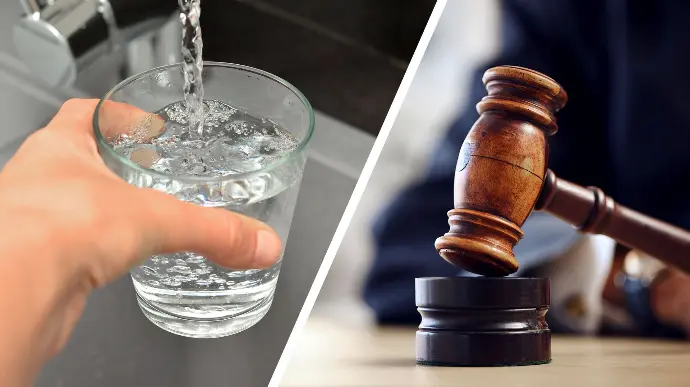
The judges did not rule on whether Jackson's water was safe. They ruled on a narrower question. That question was whether bad water can be a constitutional claim at all.
The majority said the residents were asking for two brand new rights. One was the right to avoid contaminated water. The other was the right to honest information from officials. The court said neither right has deep roots in American history or legal tradition.
The court pointed to other ways to fight for clean water instead:
- File a tort claim. That is a normal lawsuit for harm caused by someone else.
- Vote out the officials who run the water system.
- Petition elected leaders for help.
The opinion also said the state and federal government were already working on Jackson's water through rules, investigations, and compliance plans.
One more part reaches far beyond water. The court said a state has no constitutional duty to provide services to people inside its borders without a special relationship. It also said the Constitution does not require cities to run sewer, water treatment, or trash services well.
The judges did say they felt for the residents. They called the harm serious. But they said sympathy cannot turn a tort case into a constitutional case.
What the Judges Who Disagreed Said
Five judges did not agree. Judge Catharina Haynes wrote the dissent.
She said the majority described the lawsuit wrong. She wrote that the residents made two claims. One was about bodily integrity. The other was about state-created danger. The majority only addressed part of that.
Haynes also made two other points:
- The court threw out the case before discovery. Discovery is the stage where both sides gather evidence.
- Ten other federal appeals courts accept some form of the state-created danger claim.
How This Differs From the Flint Case
This may matter most in the long run.
The Fifth Circuit admitted its ruling conflicts with the Sixth Circuit. That court decided Guertin v. Michigan in 2019, a case from the Flint water crisis. The Fifth Circuit was not convinced by the Sixth Circuit's reasoning.
In Flint, residents argued that officials knowingly exposed them to contaminated water. The Sixth Circuit said that violated their right to bodily integrity.
So now two federal courts disagree. When that happens, it is called a circuit split. Splits like this often end up at the U.S. Supreme Court.
This new ruling only binds federal courts in Mississippi, Louisiana, and Texas. The Flint approach still stands in other states. The Jackson residents can ask the Supreme Court to hear their case.
Other Water Cases Are Still Going
This ruling did not end every legal fight over Jackson's water.
The Justice Department and the EPA sued the city in 2022 over the Safe Drinking Water Act. Federal oversight of the system continues. A court-appointed manager runs the system while repairs go on.
The NAACP also has a separate case. In September 2022, it filed a complaint with the EPA. It said Mississippi officials sent federal water safety money to white communities instead of Jackson. In August 2025, the NAACP's Jackson branch sued state officials. That suit says the money was meant for Jackson and was taken away on purpose.
That case is still open. The Fifth Circuit ruling did not touch it.
Jackson Mayor John Horhn welcomed the ruling. He said the city was glad the dismissal was upheld and stays committed to residents' health and safety.
What This Means for You
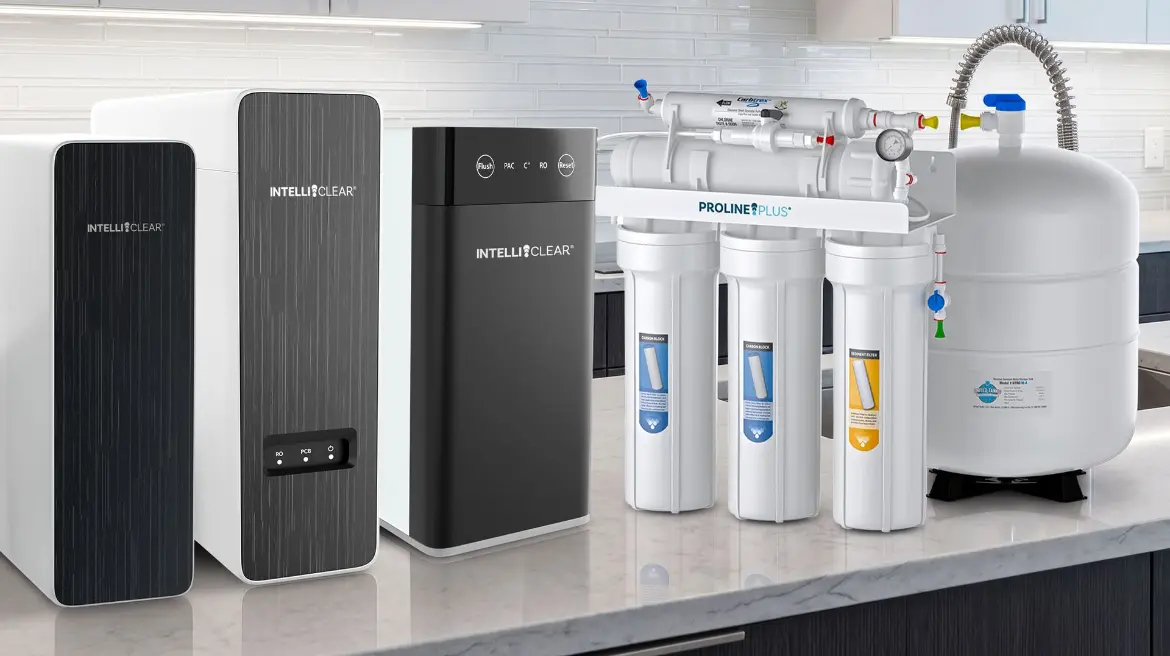
The ruling does not cancel federal drinking water rules. Laws like the Safe Drinking Water Act still apply. The EPA can still act.
What changed is the type of lawsuit people can file. In these three states, you likely cannot sue city officials over bad water as a civil rights violation under the Fourteenth Amendment. You would need to use state tort law instead.
The bigger question is still open. If the Supreme Court takes the case, it could settle the split for the whole country.
There is also a simple practical lesson here. Court cases take years. The Jackson lawsuit started in 2022 and ended four years later with no money for the families. Meanwhile, people still had to drink the water.
That is why many families now treat tap water quality as their own job. A few steps help:
- Ask your city for its yearly water quality report. Utilities must publish one.
- Test your tap water, especially if your home has old pipes or lead solder.
- Add a home filtration system if your test results worry you.
Clean Water Starts at Your Tap
Rulings like this one remind families that the safest water plan is often the one inside your own home.
Waterworld USA has spent 25 years in the water treatment business. The company is based in Missouri City, Texas, one of the states covered by this ruling. It builds and supplies reverse osmosis (RO) systems, under-sink filters, whole-house systems, countertop units, and replacement cartridges for homes and businesses.
If you are worried about lead, bacteria, or bad-tasting tap water, a treatment system can reduce what reaches your glass. Waterworld USA sells original RO replacement parts through its consumer shop and works with dealers nationwide....