
Clean water matters. But there are so many water filtration system choices. Should you get a reverse osmosis membrane unit? Or is a simple carbon pitcher filter enough? This guide will help. We will explain each water treatment system in plain words. By the end, you will know what fits your home and your budget.
What Is Reverse Osmosis?
Reverse Osmosis (RO) is a type of membrane filtration. It pushes water through a semi-permeable membrane. This membrane has tiny holes. Water molecules can pass through. Most other things get stopped.
Here is the science made simple. Water likes to flow from a weak solution into a strong one. This pull is called osmotic pressure. Reverse osmosis flips that pull around. It uses strong water pressure to push water the other way. That is why we call it "reverse."
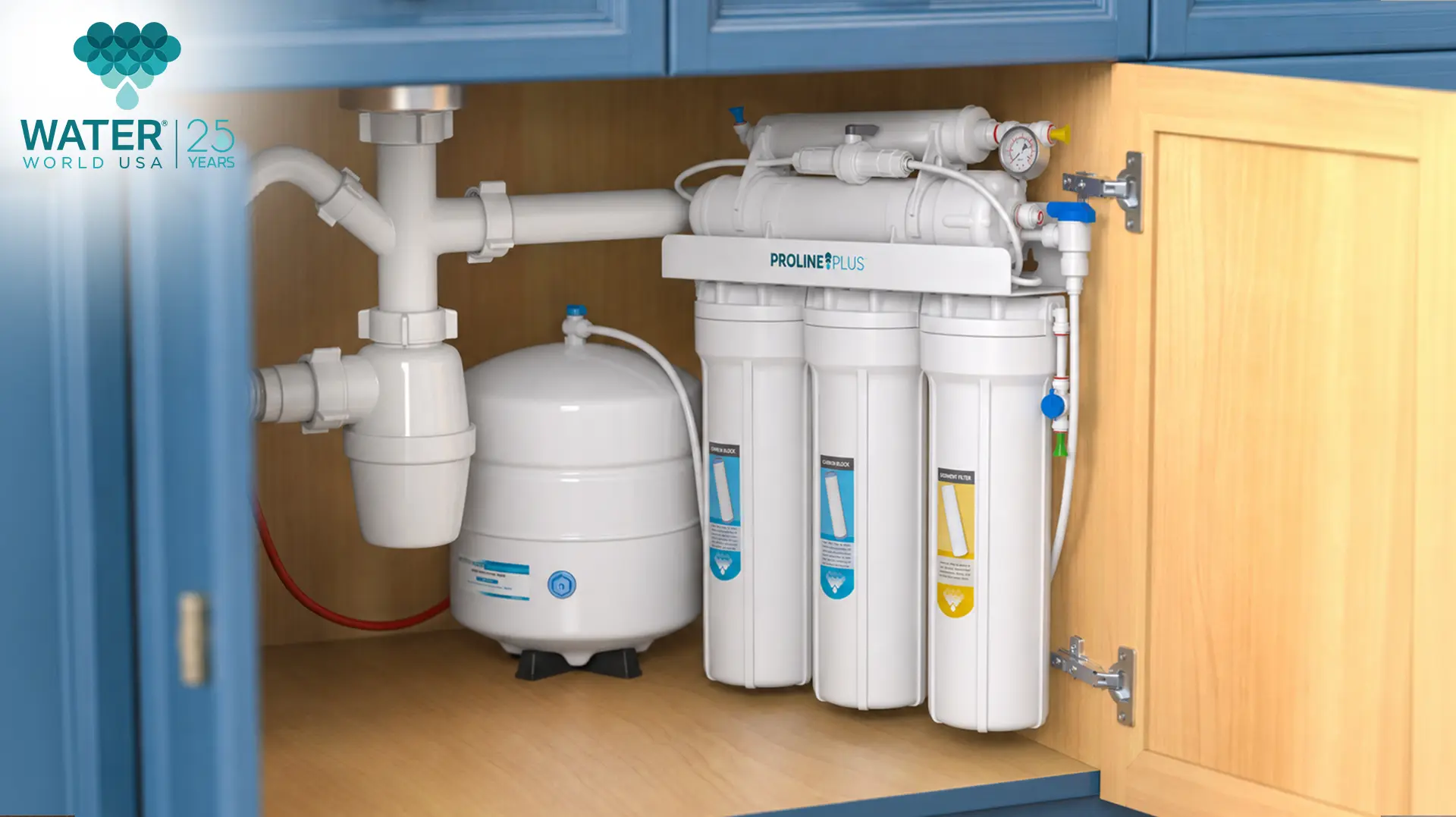
Most RO systems use more than one step. This is called multi-stage filtration. A normal setup looks like this:
- Pre-filtration with a sediment filter. This step catches sediment and rust.
- A carbon block filter. This step removes chlorine and bad smells.
- The reverse osmosis membrane itself. Many use a thin-film composite (TFC) membrane. Older units use a cellulose triacetate (CTA) membrane.
- Post-filtration. This gives the water one last taste boost.
- A storage tank. This holds the clean permeate water until you need it.
Reverse osmosis can remove up to 99% of what is in tap water. This includes lead, fluoride, and arsenic. It also removes heavy metals and nitrates. It can even remove bacteria and viruses, such as Cryptosporidium, Giardia, and E. coli. RO also reduces total dissolved solids (TDS). We often measure TDS in Parts Per Million (PPM).
There is one tradeoff. The leftover water is called brine/wastewater. Old machines wasted a lot of water. New RO systems can save more. Some now save up to 75% of the water they use. This significantly reduces water waste.
What Are the Other Filtration Methods?
Reverse osmosis is not the only choice. Let's look at other tools used in a filtration technology comparison for residential water filtration.
Activated Carbon Filtration
Activated Carbon Filtration uses carbon to trap chemicals. You will find this in a small activated carbon filter. Bigger home units use it too. It is great for chlorine removal. It also fixes bad water taste and odor. It can help with some volatile organic compounds (VOCs) too. You will see this method in pitcher filter brands like Brita and PUR. You will also find it in faucet-mounted filter units. Under-sink filter kits use it too. Aquasana and APEC Water Systems make these kits.
Carbon filters do not remove dissolved minerals or salts. They also struggle with PFAS (forever chemicals). Special carbon media can help with that problem.
Ion Exchange (Water Softeners)
Ion Exchange swaps "bad" minerals for "good" ones. An ion exchange filter sits inside a water softener. It fixes water hardness. It trades calcium and magnesium for sodium. This solves hard water mineral problems, like scale buildup and dry skin. It does not remove bacteria, lead, or chemicals, though. A close cousin of this method is deionization. It uses resin beads to pull out charged particles. Labs and factories often use it when they need very pure water.
Ultraviolet (UV) Filtration
Ultraviolet (UV) Filtration uses UV light to kill germs. UV water purification works well against bacteria and viruses. It also stops cysts and parasites. But it cannot remove solids, metals, or chemicals. It only kills living things. Many homes pair a UV lamp with a sediment filter. That way, they cover more problems at once.
Distillation
Distillation boils water into steam. Then it cools the steam back into water. This process leaves behind minerals, metals, and most germs. It works well, but it is slow. It also uses a lot of power. This can hurt energy efficiency goals.
Ceramic Filtration, Nanofiltration, Microfiltration, and Ultrafiltration
These methods use fine screens instead of chemicals. Ceramic Filtration uses a hard shell full of tiny holes. We measure these holes by micron rating. This shell strains out germs and sediment. Microfiltration and Ultrafiltration catch even smaller bits. Nanofiltration goes further still. It sits between ultrafiltration and the power of a full reverse osmosis membrane. Some systems also use KDF filter media. This is short for KDF (Kinetic Degradation Fluxion). It uses a copper-zinc reaction to cut chlorine and heavy metals.
Reverse Osmosis vs. Other Methods: Side-by-Side Comparison
Method | What It Removes | Best For | Cost | Maintenance | Water Waste |
Reverse Osmosis (RO) | Lead, arsenic, fluoride, nitrates, TDS, bacteria, viruses | Full contaminant removal | Higher upfront cost, low cost per gallon over time | New filter replacement every 6 to 12 months, membrane every 2 to 3 years | Some, less with newer models |
Activated Carbon Filtration | Chlorine, odor, some VOCs | Better taste, low cost | Low upfront cost | Frequent filter cartridge swaps | None |
Ion Exchange | Calcium, magnesium (hardness) | Hard water homes | Fair cost | Needs salt refills | None |
UV Filtration | Bacteria, viruses, cysts | Well water with germ risk | Fair cost | Bulb changed each year | None |
Distillation | Minerals, metals, most germs | Small batches of pure water | Low unit cost, high power cost | Needs regular cleaning | Uses a lot of energy |
Ceramic/Micro/Ultrafiltration | Sediment, some bacteria and cysts | Basic safe drinking water needs | Low to fair cost | Filter cleaning or swaps | Low |
Key Differences That Matter Most
How Many Contaminants Each Method Removes
Reverse osmosis wins on range. It can handle pesticides and herbicides. It can catch microplastics and pharmaceuticals in water. It even reduces chloramine and some endocrine disruptors. Carbon and ceramic filters are more narrow. They target one or two problems, not everything at once.
Cost: Installation and Long-Term
The installation cost for an RO system is higher. It costs more than a basic countertop filter or pitcher filter. But once it runs, it often costs less per gallon than bottled water. This gives it strong cost-effectiveness over time. It makes RO a solid bottled water alternative for many homes. Filter lifespan matters here too. A membrane that lasts for years spreads the cost out further.
Water Waste and Efficiency
Old reverse osmosis units waste more water than they clean. New, high-efficiency models fix this problem. If water conservation matters to you, check the recovery rate before you buy.
Maintenance Requirements
Every system needs some care. Maintenance requirements can be small or big. You might swap a cheap filter cartridge twice a year. Or you might refill salt in a water softening system. Reverse osmosis needs the most steps. Each step is still simple to do at home. Staying on top of these steps keeps filter efficiency high. A clogged, old filter cannot clean water as well as a fresh one.
Point-of-Use vs. Whole-Home Systems
Most RO systems act as a point-of-use filter. This means they clean water at just one tap. This is often the kitchen sink. This is called under-sink installation. Carbon and softener setups often work as a whole-house filtration system. These clean every tap in the home. Some people carry a portable water filter for camping trips. Others keep an emergency water filtration kit ready for storms or disasters.
Effect on Water Taste and Minerals
Reverse osmosis strips out almost everything. This includes good minerals too. Some people find this water tastes flat. Many systems add a remineralization step at the end. This is sometimes called an alkaline water filter stage. It brings back some mineral content in water. It can also improve pH balance.
Pros and Cons at a Glance
Reverse Osmosis Pros:
- Removes the widest range of contaminants
- Boosts drinking water quality by a lot
- Supports healthy hydration with clean, safe water
Reverse Osmosis Cons:
- Higher installation cost
- Some water waste
- Strips healthy minerals unless you add a remineralization step
Other Filtration Methods Pros:
- Lower cost
- Easy filtration system maintenance
- No wasted water
Other Filtration Methods Cons:
- Narrower contaminant removal
- May miss dissolved solids, some metals, or PFAS/PFOA
Which Is Right for You?
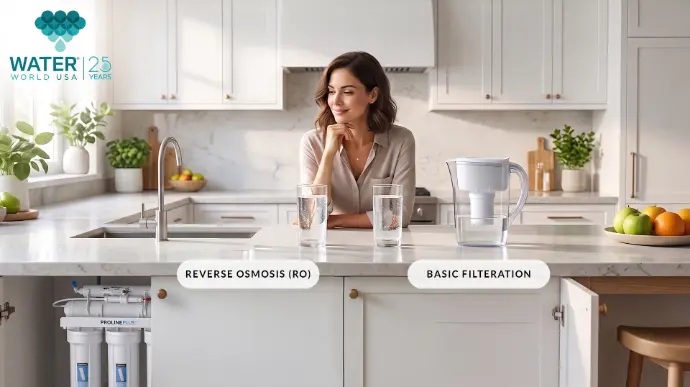
Your choice depends on your water source and your goals. Here is a simple guide.
- If your city water already meets safety rules, try a carbon pitcher filter. A faucet-mounted filter works too. Both fix taste and smell.
- If you use well water, you face more risk. Well water can carry nitrates, bacteria, or heavy metals. A municipal water supply does not usually have these risks. A full reverse osmosis membrane system is often the safer pick. Pair it with well water treatment for best results. This is the core question behind well water vs municipal water choices.
- If hard water is your only issue, an ion exchange filter can help. It sits inside a water softener. You will not need full RO.
- If germs worry you most, such as at a cabin with stream water, try UV water purification. It adds a strong extra layer.
- If you want the purest water at one tap, choose reverse osmosis. Pick a system with under-sink installation.
- If you want clean water at every tap, look at a whole-house filtration system. It uses carbon and sediment stages.
Before you buy anything, get a home water testing kit. Or send a sample to a lab. A water quality testing report shows exactly what is in your water. Then you are not guessing.
Can You Combine Systems?
Yes, many homes do just that. A common setup uses a whole-home water system for general use. It pairs this with a small reverse osmosis unit. That unit handles just drinking and cooking water. This combo covers most residential water filtration needs. You get clean water everywhere, plus extra-pure water where you drink the most.
This layered idea also shows up in commercial water treatment. It also shows up in industrial water purification. Different stages handle different jobs. This ranges from desalination at large plants to fine polishing steps before bottling. The same basic idea powers municipal water treatment plants, too. Wastewater Treatment plants clean water on a much bigger scale. This happens before water reaches your tap. It also happens before water goes back to nature.
Health and Environmental Benefits
Clean water is not just about taste. It protects your family from endocrine disruptors and PFAS (forever chemicals). These have been linked to long-term health risks. Filtering water at home also cuts down on plastic use. Each gallon you filter is a gallon you did not buy in a bottle. This supports plastic waste reduction and wider sustainable water solutions.
Filtering water at home fits into good water conservation practices. Many new systems focus on energy efficiency. They use less power than older distillation units. You still get safe drinking water.
Frequently Asked Questions
Is reverse osmosis better than a regular filter?
It depends on your goal. Reverse osmosis removes more types of contaminants. A regular carbon filter is simpler and cheaper. It may be enough if your water is already safe. This works if you just want better taste.
Does reverse osmosis remove healthy minerals?
Yes. The semi-permeable membrane cannot tell good minerals from bad ones. Many systems add a remineralization filter after RO. This brings some minerals back.
How much water does an RO system waste?
Older units waste more than they clean. Newer, efficient designs can save up to 75% of the water they use. That is much better than older models.
Is RO water safe to drink long-term?
Yes, RO water is safe. Some people add a mineral filter for taste. This also restores trace minerals lost in the process.
What is the difference between RO and UV filtration?
Reverse osmosis removes solids, metals, and chemicals with a membrane. UV filtration only kills germs with light. It does not remove particles or chemicals at all.
How often do RO filters need replacing?
Most filter cartridge stages need a change every 6 to 12 months. The main membrane usually lasts 2 to 3 years. This depends on your flow rate and water quality.