
Clean water is one of the most important things on Earth. Yet billions of people still do not have safe water to drink. The World Health Organization (WHO) says over 2 billion people worldwide lack access to clean water. This number continues to rise due to pollution, climate change, and a growing population.
The good news is that new tools and methods are changing how we clean water. The water purification market is growing strongly. According to research, the global water purifier market is growing at about 10.8% annually. Companies, scientists, and governments are all working on better ways to make water safe.
This guide breaks down every major technology shaping the future of water purification. You will learn what is ready now, what is still being tested, and what it all means for you. Whether you are a homeowner, an engineer, a student, or an investor, this article has something useful for you.
Why Water Purification Technology Must Evolve
The methods we use today to clean water are not enough for tomorrow. Several big forces are pushing the water industry to change fast.
Climate change is making droughts longer and more severe. It is also changing where rain falls and how rivers flow. Water sources that were once reliable are now less stable.
At the same time, the world's population continues to grow. More people in cities means more stress on municipal water treatment plants. Many of these plants in the United States and Europe are 50 years or older. They need billions of dollars in repairs and upgrades.
But the biggest reason for change is what is in our water. Scientists are finding emerging contaminants that old treatment systems cannot fully remove. These include PFAS removal targets such as PFOA (perfluorooctanoic acid) and PFOS (perfluorooctane sulfonate), often called "forever chemicals" because they do not break down in nature. Microplastic filtration is also a growing concern. Tiny plastic bits are now found in rivers, lakes, and even tap water.
Water contamination goes beyond just PFAS and plastics. Other harmful substances include pharmaceutical residues from medicines flushed into drains, endocrine disruptors that mess with hormones, and micropollutants at very low levels. Heavy metal removal is critical, too. Lead contamination still affects many older cities. Arsenic removal and nitrate removal remain important in farming regions.
New rules are forcing action. The U.S. Environmental Protection Agency (EPA) released its EPA PFAS drinking water regulation in 2024, setting strict limits on PFAS in tap water. The EU Drinking Water Directive was also updated with tighter rules. The WHO Guidelines for Drinking-water Quality continue to set the global bar. The Safe Drinking Water Act and the Clean Water Act in the U.S. form the legal backbone for drinking water standards. UN Sustainable Development Goal 6: Clean Water and Sanitation calls for safe water for all people by 2030.
All of these forces together mean one thing. The future of water purification technology is not optional. It is urgent.
Advanced Membrane and Filtration Technologies
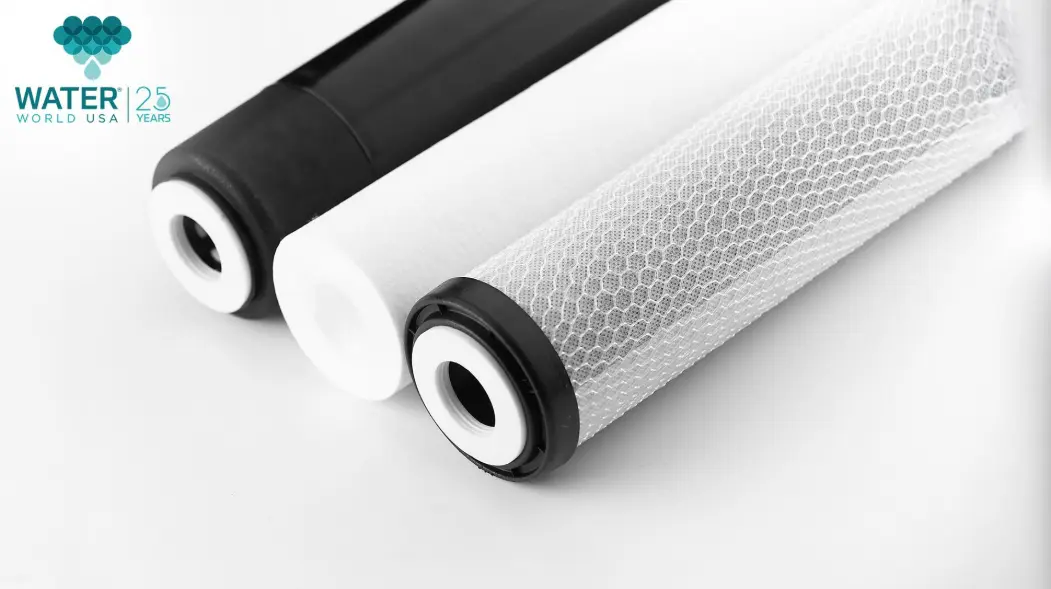
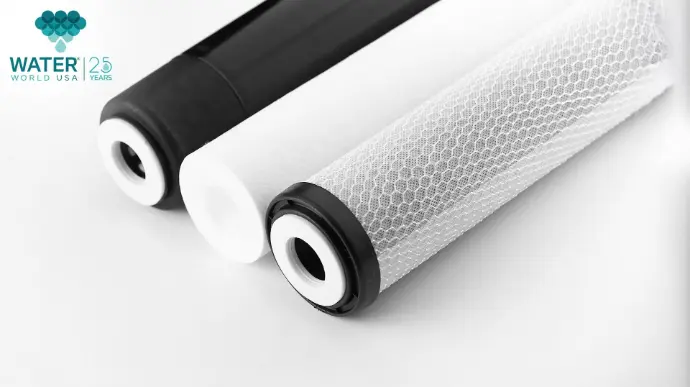
Membrane filtration is the heart of modern water purification. A membrane is like a very fine screen. It lets clean water pass through while blocking harmful particles. Several types of membranes are leading the way forward.
Next-Generation Reverse Osmosis and Low-Energy RO
Reverse Osmosis (RO) is one of the most trusted water-cleaninwater-cleaning methods in the world. It pushes water through a tight membrane to remove up to 99% of salts, bacteria, and chemicals. But traditional RO uses a lot of energy and wastes a lot of water.
That is why companies are building low-energy reverse osmosis membranes. These new membranes need less pressure to work. They save electricity and waste less water. Reverse osmosis is especially important for desalination and industrial water treatment. It is the go-to method for producing potable water from saline water at scale.
Nanofiltration, Ultrafiltration, and Microfiltration
Not every job needs the fine power of RO. Sometimes a lighter touch works better.
Nanofiltration sits between RO and ultrafiltration. It is great for softening water and removing specific chemicals. Ultrafiltration uses slightly larger pores. It is good for removing bacteria, viruses, and larger particles. Microfiltration has the biggest pores of the three. It works well as a first step to remove sediment and large germs.
These methods are growing fast in municipal water treatment plants and in point-of-use filtration systems for homes. They are often combined in multi-stage setups for better results.
Graphene Oxide and Nanocomposite Membranes
One of the most exciting breakthroughs is the graphene oxide membrane. Graphene is a super-thin sheet of carbon atoms. It is incredibly strong and can be tuned to block specific particles at the molecular level.
Researchers at Monash University worked with NematiQ, a part of Clean TeQ Water, to create a special beta-cyclodextrin-modified graphene oxide membrane. This membrane can trap PFAS molecules that slip through normal filters. It is a major step forward for PFAS removal from drinking water.
Nanocomposite membrane technology adds tiny particles to traditional membranes. This boosts their strength and resistance to membrane fouling. Some designs even have self-cleaning membrane features that reduce maintenance. These are still mostly in the pilot stage, but they show huge promise.
Hollow Fiber and Ceramic Membranes
Hollow fiber membrane systems use thousands of tiny tubes to filter water. They pack a lot of surface area into a small space. This makes them perfect for compact treatment units. Pall Corporation is one of the leaders in this space.
Ceramic membrane filters are built to last. They can handle harsh chemicals and high heat. This makes them ideal for tough industrial water treatment jobs. They are also used inside Membrane Bioreactor (MBR) systems, which combine filtration with biological treatment to recycle wastewater.
Another classic membrane type is the thin-film composite membrane. It has been the standard in RO systems for decades and continues to improve with new coatings and materials.
Nanotechnology and Advanced Materials for Water Treatment
Beyond membranes, scientists are working with incredibly tiny materials to clean water in new ways. Nanomaterials operate at the atomic and molecular scale. Their small size gives them a huge surface area, which makes them very effective at grabbing pollutants.
Carbon Nanotubes and Graphene Derivatives
A carbon nanotube filter uses rolled-up sheets of carbon atoms to trap contaminants. These tubes are hollow and extremely strong. They can remove heavy metals, organic chemicals, and even some bacteria.
Graphene derivatives like graphene oxide and reduced graphene oxide are also being tested. They work well as adsorbents, soaking up pollutants from water like sponges. They are especially promising for capturing forever chemicals and other hard-to-remove substances.
Metal-Organic Frameworks and Quantum Dots
Metal-organic frameworks are cage-like structures made of metal ions and organic links. They have tiny pores that can be designed to catch specific pollutants. Think of them as a molecular sieve built for selective ion separation. They are very good at picking out one type of contaminant from a mix.
Quantum dots are nanoscale crystals that react to light. When sunlight hits them, they can break down organic pollutants through a process called photocatalysis. This makes them useful for cleaning water without adding chemicals.
Biochar Composites and Bio-Inspired Materials
Not all advanced materials are high-tech. A biochar adsorbent is made from burned plant waste, such as rice husks or coconut shells. It is cheap to produce and works well for removing metals and organic pollutants. For low-income communities, biochar offers a simple path to cleaner water.
Scientists are also looking at nature for ideas. Bio-inspired membrane designs mimic how living cells filter water. For example, aquaporin channels in cell walls move water very fast while blocking salts. Researchers are trying to build artificial versions of these channels for use in nanostructured filtration media.
Photocatalytic Nanoparticles
Photocatalytic nanoparticles use light energy to destroy pollutants in water. Titanium dioxide nanoparticles are the most studied. When UV light hits them, they create powerful molecules that break down bacteria and chemicals.
Silver nanoparticles take a different approach. They kill germs on contact. An antimicrobial coating made from silver can be applied to filters, pipes, and storage tanks. This helps remove pathogens, including bacteria and viruses, even after the main treatment step.
Zinc oxide nanoparticles are another option. Like titanium dioxide, they are activated by light and can help remove contaminants in sunny regions.
Smart Water Systems: AI, IoT, and Real-Time Monitoring
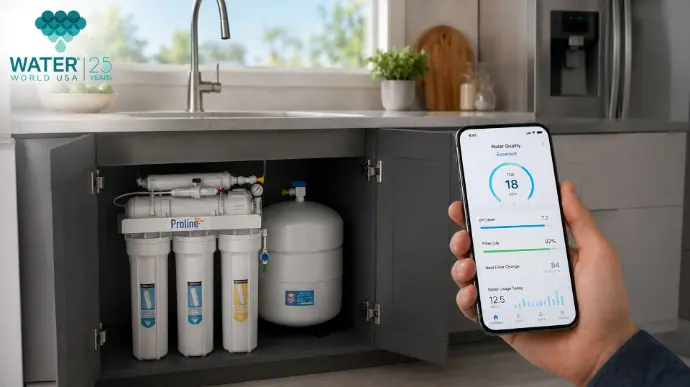
Technology is not just about better filters. It is also about smarter control. Smart water systems use digital tools to watch over water quality every second of every day. This is a game-changer for both big plants and home purifiers.
IoT Sensors and Real-Time Water Quality Monitoring
IoT water monitoring places sensors inside pipes and treatment units. These real-time water sensors track parameters such as total dissolved solids (TDS), pH, and turbidity around the clock. If something goes wrong, the system sends an alert right away.
Modern smart purifiers connect to phones through apps. Users can check their water quality monitoring data, see filter health, and get reminders to replace parts. The IoT in water treatment market is expected to reach 14 billion dollars soon, according to MarketsandMarkets. Spherical Insights reports that the smart water purification market could reach 39 billion dollars by 2035.
This kind of remote monitoring is especially helpful for systems in hard-to-reach places. Operators can check on a plant from miles away without visiting in person.
AI and Machine Learning for Process Optimization
AI-driven water treatment uses computer programs that learn from data. These programs spot patterns that humans might miss. They can predict when a pump will break, when a membrane needs cleaning, or when chemical levels are off.
This is called predictive maintenance. It saves money by fixing problems before they cause damage. Machine learning models can also predict water quality, helping plants adjust their processes in real time.
Some water utilities are building a digital twin water plant. This is a virtual copy of a real treatment plant. Engineers can test changes on the digital twin before making them in the real world. It reduces risk and speeds up improvement.
Automated and Remote-Controlled Purification
Automated chemical dosing systems deliver the exact amount of treatment chemicals based on real-time sensor data. This reduces waste and maintains steady water quality.
These tools are turning water treatment from a manual process into a data-driven one. StartUs Insights calls AI and IoT the two biggest trends in water treatment for 2026.
Sustainable and Energy-Efficient Purification Approaches
The future of water cleaning must also be green. Sustainable water treatment means using less energy, creating less waste, and protecting the planet while making water safe.
Solar-Powered and Renewable-Energy Purification
Solar-powered purification is one of the simplest and most powerful ideas in green water technology. A basic solar still uses the sun's heat to evaporate water and then condense it into clean water. More advanced systems use solar panels to power RO units.
Renewable energy desalination pairs wind or solar farms with desalination plants. This cuts the carbon footprint of turning seawater into drinking water. For off-grid water treatment in rural villages, solar-powered systems are often the only practical option.
Atmospheric water generation is another creative approach. These machines pull moisture straight from the air and condense it into clean drinking water. They work best in humid climates and can provide water where no rivers or wells exist.
Advanced Oxidation Processes
An advanced oxidation process uses strong chemical reactions to destroy pollutants. Common methods include ozonation, UV light combined with hydrogen peroxide, and Fenton reactions using iron and peroxide.
These processes create highly reactive molecules that break apart tough chemicals. They are one of the best tools for destroying PFAS, not just capturing them. Ultraviolet purification and UV disinfection are already common in many plants. Adding oxidation makes them even more powerful.
Electrocoagulation is a related method. It uses electricity to clump pollutants together so they can be removed more easily. Electrodeionization and capacitive deionization are other electric methods that remove dissolved salts without chemicals.
Zero Liquid Discharge and Water Reuse
Zero liquid discharge is a system where no wastewater leaves the plant. All the water is cleaned and reused. The remaining solids are dried and disposed of safely. This is the gold standard for industrial water treatment in water-scarce areas.
Water reuse is growing fast. Treated wastewater is now used for cooling, farming, and even drinking in some places. Brine management is a key part of this. Plants must handle the salty leftover water without harming the environment.
Greywater recycling takes lightly used water from sinks and showers and cleans it for reuse in toilets or gardens. It is a simple form of water recovery that any home or building can adopt.
Circular Water Economy and Resource Recovery
The water industry is shifting from a "treat and dump" model to a circular water economy. In this model, water is treated, reused, and treated again. Nothing is wasted.
Resource recovery goes even further. Treatment plants are now recovering valuable materials from wastewater. Nutrient recovery captures phosphorus and nitrogen, which can be turned into fertilizer. Sludge-to-energy systems use anaerobic digestion to produce biogas from sludge.
Carbon-neutral water treatment is the long-term goal. By combining energy-efficient purification with renewable power and resource recovery, the industry aims to clean water without adding carbon to the atmosphere.
Desalination: Scaling the Next Frontier
About 97% of the water on Earth is salty. Seawater desalination turns ocean water into fresh potable water. It is a lifeline for dry regions around the world.
The GCC / Middle East region leads the world in desalination. Saudi Arabia is home to the Ras Al Khair Desalination Plant, one of the largest in the world. The United Arab Emirates also runs massive desalination operations.
In 2025, a major new project launched. The Aqaba-Amman Water Desalination and Conveyance Project in Jordan, led by SUEZ and Meridiam, will produce over 850,000 cubic meters of water per day. It is one of the largest water infrastructure projects in the Middle East.
Older desalination plants used distillation, which boils water to separate salt. Modern plants mostly use reverse osmosis, which is much more energy-efficient. Low-energy reverse osmosis membranes continue to reduce costs.
Decentralized and Point-of-Use Systems
Big treatment plants are not the only answer. Decentralized water treatment brings purification closer to the people who need it. Instead of one huge plant, many small systems spread across a community can do the job.
A modular purification system can be shipped in a container and set up quickly. It is perfect for disaster zones, remote villages, and fast-growing towns. These units often combine RO, activated carbon, and UV in one compact package.
At home, a point-of-use filtration system cleans water right at the tap. A point-of-entry system treats all the water coming into a house. The best household water filter systems today use multiple stages. They may include activated carbon filtration, reverse osmosis, UV LEDs, and a mineral stage to add back healthy minerals.
Smart home purifiers from brands like Pentair and others now offer app control, filter-life tracking, and live TDS displays. Grundfos runs the LIFELINK program, which brings solar-powered water stations to rural communities in Africa and Asia. Sarvajal operates pay-per-use water ATMs in India. These are real-world water scarcity solutions that work today.
A portable water purifier is useful for hikers, soldiers, and aid workers. These small devices can clean water from almost any source. They are a key tool for off-grid water treatment and emergency response.
Forward osmosis is another technology being explored for portable and low-energy systems. It uses natural osmotic pressure instead of pumps, which could make small purifiers even more efficient.
Ion exchange systems are common in both home and industrial settings. They swap harmful ions, such as lead or nitrate, for harmless ones. This makes them effective for lead contamination and nitrate removal in well water.
Tackling PFAS: The Defining Challenge of This Decade
No topic in water purification gets more attention right now than PFAS removal. PFAS stands for per- and polyfluoroalkyl substances. There are thousands of these chemicals. They are used in nonstick pans, waterproof clothes, food packaging, and firefighting foam.
PFAS are called forever chemicals because they almost never break down. They build up in soil, water, and even in our blood. Health studies link them to cancer, hormone problems, and immune system damage. PFOA (perfluorooctanoic acid) and PFOS (perfluorooctane sulfonate) are the two most studied types.
The EPA set strict new limits in its EPA PFAS drinking water regulation. PFOA and PFOS must now be below 4 parts per trillion in tap water. This is an extremely low number. Meeting it requires advanced treatment that many plants do not yet have.
Current methods for PFAS removal include granular activated carbon filtration, ion exchange resins, and high-pressure reverse osmosis. These can capture PFAS but do not destroy them. The used filters must then be disposed of safely.
That is why scientists are working on ways to actually break PFAS apart. Advanced oxidation processes, electrochemical oxidation, and supercritical water oxidation are all being tested. The graphene oxide membrane developed by NematiQ and Monash University using beta-cyclodextrin-modified graphene oxide shows strong PFAS rejection in lab tests.
The challenge is scaling these lab results to real-world plants. Cost, speed, and reliability must all improve before these methods can be used everywhere. But the pressure from regulators and the public is pushing research faster than ever.
Challenges and Barriers to Adoption
New technology alone will not solve the water crisis. Several barriers slow down progress.
Cost is the biggest one. A graphene oxide membrane or a zero-liquid-discharge system costs far more than a simple sand filter. Many cities and countries simply cannot afford the newest tools. Traditional funding from taxes and water bills is not enough. New models like public-private partnerships, green bonds, and blended finance are needed.
Regulatory lag is another problem. Rules often take years to update. A new treatment method may be proven to work, but it cannot be used until regulators approve it. Faster approval paths are needed for pilot programs and new materials.
Infrastructure inertia slows things down, too. Treatment plants and pipelines are built to last 30 to 50 years. Replacing them is expensive and disruptive. Most upgrades happen slowly, one piece at a time.
Scaling nanomaterials is hard. A carbon nanotube filter that works perfectly in a lab may fail or cost too much at factory scale. There are also concerns about safety. If nanoparticles escape into the environment, they could cause new problems.
Water security depends on solving all of these problems together. The World Health Organization (WHO) and the goals set by UN Sustainable Development Goal 6 (Clean Water and Sanitation) remind us that technology must reach the people who need it most.
Conclusion
The future of water purification technology is not about one single invention. It is about many ideas working together. Smart water systems powered by AI and IoT are making treatment plants faster and smarter. Advanced membranes made from graphene and nanocomposites are filtering out pollutants we could not touch before. Sustainable water treatment methods powered by solar energy and built around water reuse are protecting the planet while cleaning water.
Desalination is bringing fresh water to dry coastlines. Decentralized water treatment is reaching villages and homes that big plants never could. And the global fight against forever chemicals is pushing science to new heights.
Challenges remain. Cost, regulation, and infrastructure all need to keep pace with innovation. But the direction is clear. The tools to provide safe, clean, affordable water to every person on Earth are being built right now.
The question is not whether the technology will be ready. It is a question of whether we will move fast enough to use it.